
Loading…
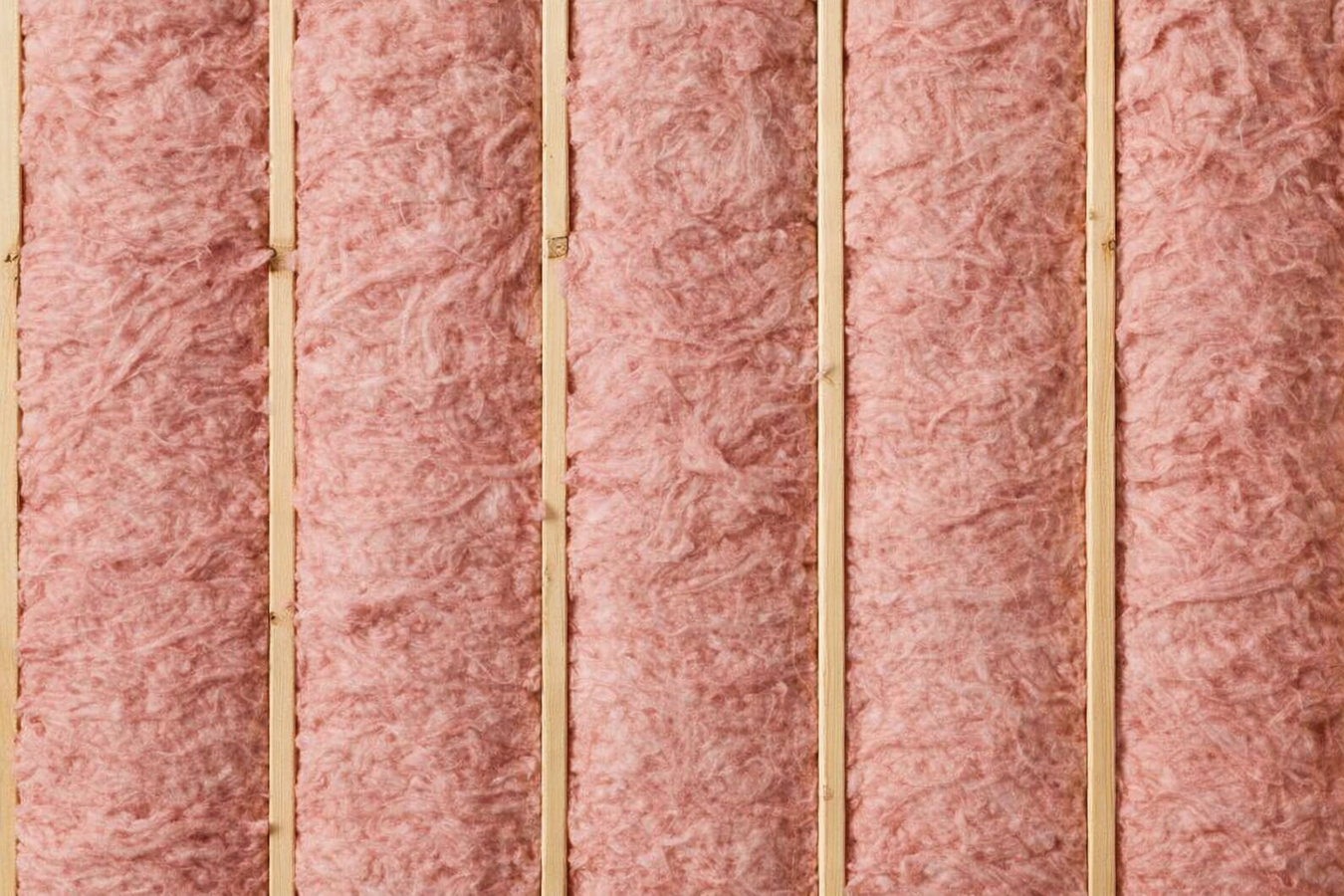
If your exterior walls are letting heat escape, your furnace fights a losing battle all winter. Wall insulation fills those empty cavities so your home holds heat and your bills stop climbing every November.
Wall insulation in Bismarck slows the movement of heat through your exterior walls so your furnace runs less and your home stays warmer - most jobs are completed in one to two days using a drill-and-fill method that does not require tearing out your drywall or siding.
A significant share of homes in Bismarck were built between the 1950s and 1970s, when wall insulation was rarely included in standard construction. If your home is in that range and no one has ever addressed the walls, there is a strong chance you are losing heat through them every single winter day. The cost shows up on your utility bill every month from November through March. Wall insulation is one of the most direct ways to change that.
If your heating bills are high and your home is otherwise in good shape, pairing wall insulation with air sealing services is the combination that delivers the biggest reduction in heat loss - filling the cavities stops conductive loss, while sealing gaps stops air from moving through.
If your gas or electric bill climbs sharply each fall and stays high through March, your walls may be letting heat escape faster than your furnace can replace it. Bismarck winters are long and punishing, and a home with inadequate wall insulation forces your heating system to run almost constantly just to keep up. This is one of the clearest signals your walls are not doing their job.
Stand near an exterior wall on a cold Bismarck day and hold your hand a few inches from the surface. If you feel a noticeable chill radiating from the wall, or if the wall itself feels cold to the touch, heat is moving through it far too easily. Well-insulated walls should feel close to room temperature even when it is well below zero outside.
Bismarck's prevailing winter winds come from the north and northwest, and rooms on those sides of the house take the brunt of the cold. If one or two rooms are consistently harder to heat than the rest, the walls on the exposed side are likely the culprit. This is especially common in older Bismarck homes where wall insulation was never installed or has settled over the years.
Many Bismarck homes built before modern energy codes were adopted were constructed with minimal or no wall insulation. If you have lived in your home for years without ever addressing the walls, there is a strong chance you are losing significant heat through them every winter. A quick assessment can confirm whether your walls are empty or underperforming.
We install wall insulation in existing Bismarck homes using blown-in loose-fill and injected foam, depending on your wall construction, current insulation state, and budget. Our most common approach is the drill-and-fill method: we drill small holes at regular intervals along each wall cavity, insert the insulation material until each cavity is fully packed, then patch and finish the holes so they blend with the surrounding surface. A good contractor does a thermal scan after the work to confirm every cavity is filled - we include that step so you can see the difference before we leave.
Wall insulation works best when it is paired with air sealing services to close the gaps that let cold air move through rather than just conduct through the wall material. For older Bismarck homes with multiple problem areas, we coordinate wall work with blown-in insulation in the attic so you address the full thermal envelope in one visit instead of scheduling two separate crews at two separate times.
Best for most existing Bismarck homes - fills cavities completely around framing and pipes without opening walls, and performs reliably in North Dakota's extreme cold.
Suited for homes where air sealing is a priority alongside insulation - foam expands to fill and seal at the same time, which is a real advantage in windy Bismarck winters.
For homes under construction or full renovations where open wall cavities allow for higher-R batts or spray foam before drywall is installed.
Ideal for older Bismarck homes that were built without wall insulation or where original material has settled and degraded over decades of freeze-thaw cycles.
Bismarck sits in what the U.S. Department of Energy classifies as a very cold climate zone, where winter temperatures regularly drop below zero and wind chills push well past minus 30. That means your walls are under extreme thermal stress for five or more months of the year. The DOE recommends wall R-values of R-13 to R-21 for homes in cold climates like North Dakota - a standard that many homes built here in the 1950s through 1970s never came close to meeting. A significant share of Bismarck's housing stock has little or no original wall insulation, or material that has settled and degraded over decades of freeze-thaw cycles. Homeowners in Mandan and Lincoln face the same older housing stock challenges and consistently see the same return on wall insulation upgrades.
North Dakota homeowners also have access to financial incentives that can meaningfully reduce the project cost. MDU Resources and Montana-Dakota Utilities have offered rebate programs for qualifying insulation upgrades, and federal tax credits are currently available for homeowners who improve their insulation as part of a qualifying energy efficiency project. The key is checking with your utility before work starts - not after - to make sure the project qualifies and the right steps are followed in the right order.
We ask a few basic questions - the age of your home, roughly how many exterior walls you want addressed, and whether any insulation work has been done before. You will hear back within one business day, and most Bismarck homeowners can get an in-home estimate scheduled within a few days.
A contractor visits your home to check the walls, look for any existing insulation, and identify spots where air is leaking alongside the heat loss. They may use a thermal camera or probe to check what is inside your wall cavities. You receive a written quote that breaks down cost by area and material before any work is scheduled.
The crew drills small holes - roughly golf-ball-sized - at intervals along each wall, fills each cavity completely, then patches and finishes the holes to blend with the surrounding surface. The noise is similar to a loud shop vacuum. Most jobs run one to two days, and you stay in your home the whole time.
Before the crew leaves, they walk you through the completed work. If thermal imaging was used, they confirm no gaps remain. You receive written documentation of the materials installed - useful for utility rebate applications, federal tax credit filings, and future home sales.
Free estimate, no pressure. We assess your walls, explain what we find, and give you a written quote before any work starts.
(701) 299-5341We use a thermal imaging camera after every wall insulation job to confirm every cavity is fully filled. Most contractors skip this step. We include it because gaps in wall insulation are invisible from the outside - and a missed cavity is a cold spot you will feel all winter.
North Dakota sits in one of the coldest climate zones the DOE recognizes. We size every job for Bismarck winters - not a national average. That means recommending the right R-value, the right material, and the right air sealing approach for a home that faces below-zero temperatures for months at a time.
MDU Resources and Montana-Dakota Utilities both offer rebate programs for qualifying insulation upgrades, but the steps have to happen in the right order before work starts. We know those requirements and make sure your project qualifies so you capture every dollar of available savings.
We have installed wall insulation in homes across Bismarck's established neighborhoods - from older ranch homes on the north side to split-levels in the newer south-side subdivisions. That experience means we know what to expect inside the walls of a home built in this market, not somewhere else.
Every job we do comes with a written quote before work starts, clear documentation when it is finished, and no surprises in between. That is how we work on every wall insulation project in Bismarck.
Locate and seal every gap in your home's outer shell so the heat your walls retain stays where it belongs.
Learn more →Loose-fill insulation blown into attics, walls, and enclosed cavities for complete coverage without major disruption.
Learn more →Fall appointments fill quickly - call today to lock in your estimate and get your walls ready for winter.