
Loading…
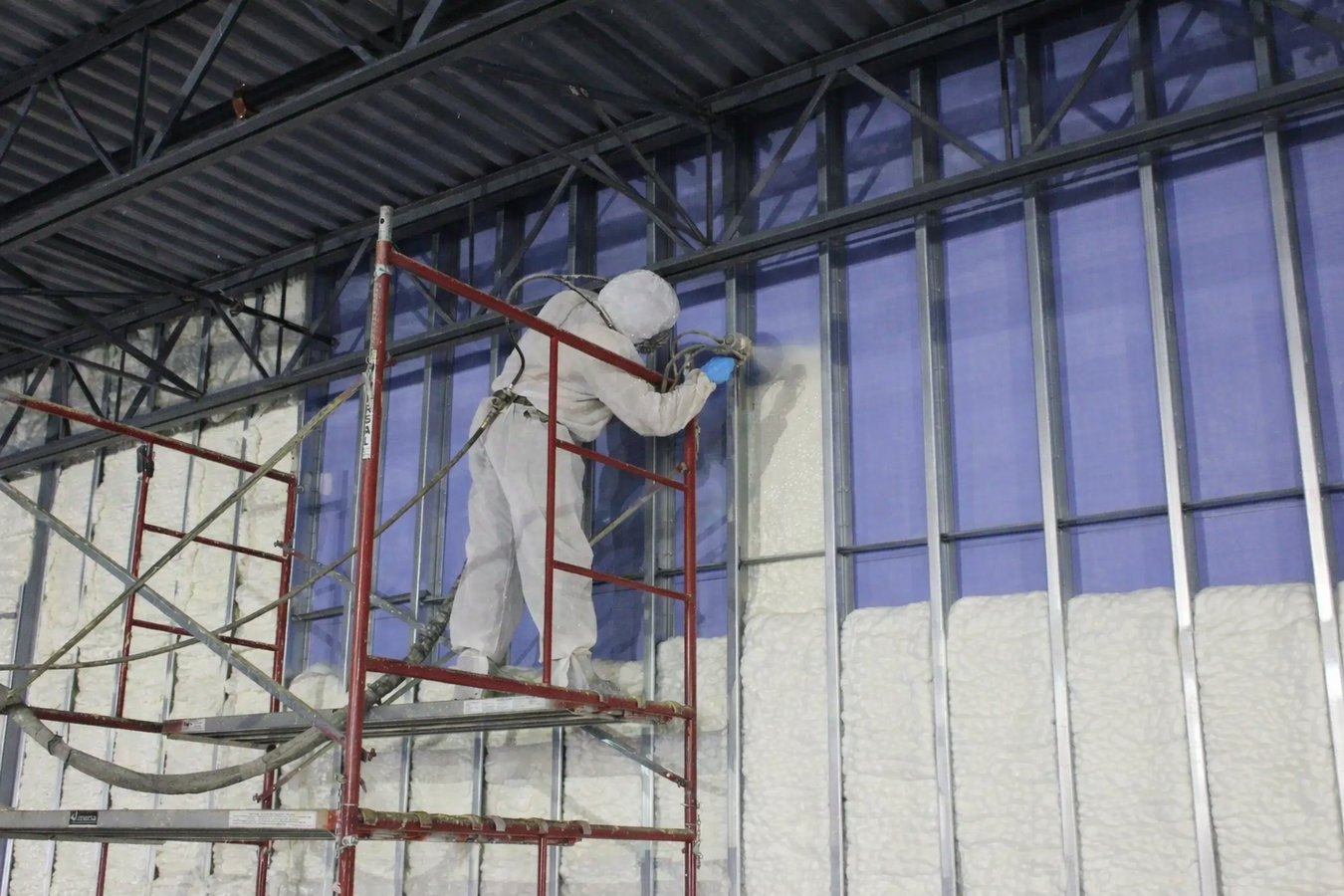
Your building is losing heat through the roof, walls, and floor every winter. Professional commercial insulation upgrades reduce heating costs, meet code requirements, and improve comfort for your team year-round.
Commercial insulation in Bismarck means upgrading the material inside your building's walls, ceilings, and floors to slow heat movement - in winter it keeps the warmth you are paying for inside, and in summer it keeps the heat out - most projects are completed in one to three days depending on the size and complexity of the building.
Bismarck sits in one of the coldest climate zones in the continental United States, and the insulation standards required here are significantly higher than what is needed in most other states. A building with outdated or missing insulation can easily cost two to three times more to heat than a properly insulated one of the same size. Many of Bismarck's commercial buildings were constructed before modern energy codes took effect, which means original insulation was often minimal to begin with and has since settled, shifted, or been damaged by moisture or pests over time.
For building owners who also need residential insulation work done, spray foam insulation is one of the most effective options for sealing air leaks and insulating in a single step. And for buildings with accessible wall cavities that need upgrading, wall insulation services address vertical heat loss that compounds over the course of a long Bismarck winter.
If your energy costs jump sharply each November and do not come back down until April, that is a strong sign your building is losing heat faster than it should. Bismarck winters are long and severe, and a building with degraded or insufficient insulation can cost far more to heat than a properly insulated one of the same size. If your bills have been climbing year over year without a clear explanation, insulation is one of the first things worth checking.
When you walk from one part of your building to another and feel a significant temperature difference, that is a sign the insulation is not doing its job evenly. Cold spots near exterior walls, ceilings, or corners are especially telling. In Bismarck's winters, those cold zones are not just uncomfortable - they are costing you money every hour the heat is running.
If you hold your hand near the edge of a window or an exterior wall on a cold Bismarck day and feel a draft, air is getting in. That air infiltration is often a sign that the insulation and air sealing behind the wall have failed or were never adequate. Even small gaps become significant problems when outside temperatures are in the single digits or below zero.
Many commercial buildings in Bismarck were constructed before current energy standards were in place, and the insulation installed at that time was often minimal by today's standards. If your building was built before the late 1990s and you have never had anyone look at the insulation, there is a reasonable chance it is underperforming. An assessment costs very little and can reveal whether you are sitting on a significant source of wasted energy spending.
We start with a free on-site assessment - walking through your building with thermal imaging equipment and measuring tools to identify where heat is escaping and what insulation is already there. You receive a detailed written estimate before committing to anything. We handle the permit process with the City of Bismarck Building Inspections office and schedule the work to minimize disruption to your operations. The crew sets up dust barriers, installs the insulation according to North Dakota energy code requirements, and cleans up completely before leaving. A city inspector verifies the work meets the required standard - documentation you can keep for your records.
For building owners who also manage residential properties, the same expertise applies to spray foam insulation work in homes, shops, and garages. And for commercial spaces where the walls are accessible from inside or outside, wall insulation upgrades can be coordinated with roof or ceiling insulation work so the entire building envelope gets addressed in one project.
Best for sealing air leaks and insulating in one step - expands to fill gaps that other materials cannot reach and provides the highest performance per inch.
Best for flat roof assemblies and below-grade walls where high compression resistance is needed - panels are cut to fit and layered for continuous coverage.
Best for large open cavities like attic spaces or ceiling voids - cost-effective for covering wide areas evenly without labor-intensive installation.
Best for identifying exactly where heat is escaping before committing to a project - infrared cameras show hidden air leaks and cold spots invisible to the naked eye.
Bismarck regularly sees winter temperatures drop below -20 degrees Fahrenheit, and the city sits in one of the most demanding climate zones in the continental United States for building performance. That means the insulation standards required here are significantly higher than what is needed in most other states - and a contractor who installs to a lower standard is leaving you with a building that will cost far more to heat every single winter. North Dakota requires permits for most commercial insulation work, and Bismarck enforces them - the work must meet the state's adopted energy code, and an inspector will verify that the insulation was installed correctly. The North Dakota Office of the State Building Official oversees the energy code adoption process and provides the technical standards contractors are held to.
Bismarck's commercial building stock includes many older structures - offices, warehouses, and retail spaces constructed before modern energy codes took effect. If your building in Mandan or Lincoln was built before the mid-1990s, there is a good chance the original insulation is doing a fraction of the work it should be. Bismarck also experiences dramatic temperature swings during shoulder seasons - sometimes 40 or 50 degrees in a single day - which forces moisture into building materials. Good insulation combined with proper vapor management keeps that moisture from degrading your building structure over time.
Call or submit online and we follow up within one business day. Most on-site visits can be scheduled within a few days to a week - no commitment needed to set up the initial assessment.
We walk your building with thermal imaging equipment to find hidden air leaks and measure existing insulation. After the visit, you receive a written estimate explaining what work is proposed, what materials will be used, and what the total cost will be.
We apply for the building permit through the City of Bismarck and receive approval before work begins. Once the permit is in hand, we agree on a start date - most projects can be scheduled within one to three weeks of signing the contract.
The crew sets up dust barriers, installs the insulation to North Dakota code requirements, and cleans up before leaving. A city inspector visits to verify the work meets the required standard - documentation you receive for your records.
No pressure, no obligation - just a clear picture of what your building needs and what it will cost. We respond within one business day and handle all permit work for you.
(701) 299-5341North Dakota requires commercial insulation projects to meet the state-adopted energy code, and Bismarck enforces it with inspections. We pull every required permit, install to the correct standard for climate zone 6, and coordinate the final inspection so your documentation is in order. You avoid the complications that come with unpermitted work.
We have worked on warehouses, offices, retail spaces, and light industrial buildings throughout the Bismarck-Mandan metro area. We understand the construction patterns of older buildings in this region and know where insulation is typically missing or degraded. That local experience means fewer surprises and more accurate estimates.
Bismarck sits in one of the coldest climate zones in the continental United States. We spec every commercial project to the insulation performance levels the state energy code requires for this zone - not a national average that undershoots what North Dakota winters actually demand. Your building gets insulated correctly for the conditions it faces.
The North American Insulation Manufacturers Association sets best practices for commercial insulation installation quality and safety. We follow those standards on every project because cutting corners in one area undermines the work done in another. See the organization's resources at naima.org.
Every commercial insulation project we complete in Bismarck is grounded in the specific demands of this climate and the requirements of North Dakota's energy code. The combination of local building knowledge, climate-zone-appropriate specifications, and familiarity with the city permit process means you get work done correctly and documentation you can rely on.
High-performance spray foam seals air leaks and insulates in one step - ideal for commercial roofs, walls, and rim joists.
Learn more →Upgrade wall insulation in commercial or residential buildings to reduce heat loss through vertical surfaces facing Bismarck winters.
Learn more →Every cold season costs more when your insulation is outdated. Call now or request an estimate online and we will follow up within one business day.