
Loading…
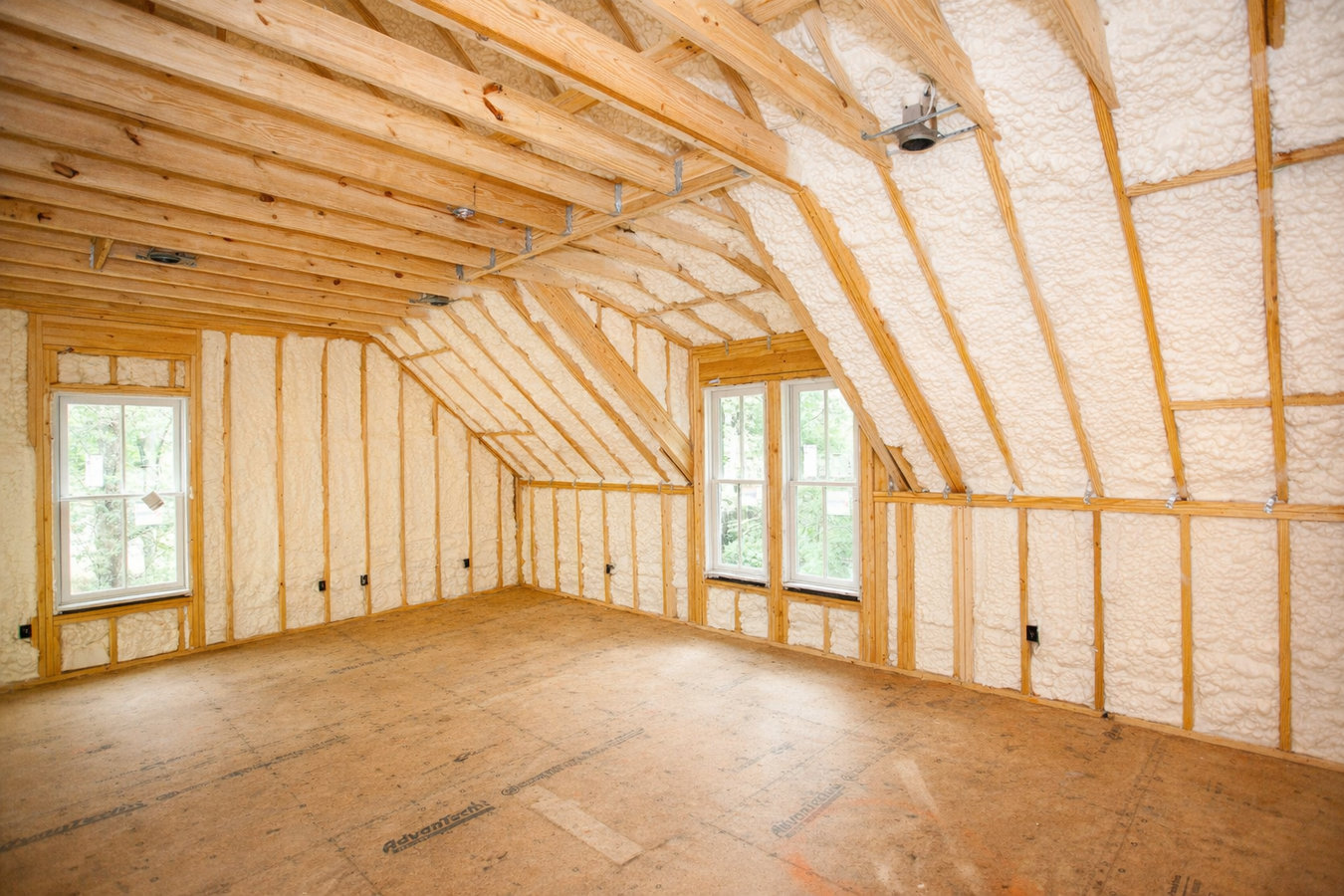
If your Bismarck home loses heat through gaps and aging insulation, open-cell spray foam fills every crack and seals air leaks at the same time - so your furnace works less and your home stays warmer all winter.
Open-cell foam insulation in Bismarck is sprayed as a liquid that expands into a soft, spongy barrier - sealing air gaps and insulating walls, attics, and rim joists in a single pass. Most residential jobs are completed in one day; the foam is inert and odor-free within 24 hours of installation.
What separates open-cell foam from fiberglass or cellulose is that it does two jobs at once: it slows heat loss through the wall or ceiling surface, and it seals the air gaps that let cold outside air sneak through. In Bismarck homes - especially those built before the 1980s in neighborhoods like Northridge or the older south-side streets - those hidden gaps are often where most of the heat loss is actually happening. Spray foam expands to fill irregular cavities that cut-and-fit materials simply cannot reach, which is why it performs so much better than older insulation in a retrofit situation.
Open-cell foam is a natural complement to other insulation upgrades. Pairing it with a full attic air sealing treatment first gives you the best possible outcome in the attic, while the broader family of spray foam insulation services covers areas like crawl spaces and basement walls where closed-cell foam is the stronger choice.
If your gas or electric bill spikes sharply each January and February - Bismarck's coldest stretch - your home is losing heat faster than the insulation can keep up. Subzero temperatures put enormous pressure on your home's thermal envelope, and inadequate or aging insulation is one of the most common culprits. A home that holds heat properly should not show dramatic seasonal bill spikes beyond what the weather accounts for.
Bismarck's persistent winter winds push cold air through gaps so small you would never find them by sight alone. If you feel a chill near electrical outlets on exterior walls, along the tops of interior walls, or around your attic hatch when the wind picks up, that is air infiltration - and it means your current insulation is not sealing those pathways. Open-cell foam is specifically designed to address both the insulation gap and the air gap at the same time.
If you peek into your attic and see fiberglass insulation that looks matted down, has shifted away from the edges, or has visible gaps where it no longer covers the framing, it is no longer performing at its original level. Fiberglass loses effectiveness when it compresses or when air moves through it freely - both of which happen over time in homes that have been through decades of Bismarck winters. Gapped or thin batts are one of the clearest visual signs that an upgrade is overdue.
Thick ridges of ice building up along the edge of your roof or icicles forming from your gutters during cold snaps are a reliable sign that heat is escaping through your attic and melting snow unevenly on the roof. The meltwater refreezes at the cold eaves, creating ice dams that can damage your shingles and gutters over time. Properly insulating and air-sealing the attic floor is the most effective long-term fix for this problem.
We install open-cell spray foam in attic floors, exterior wall cavities, and basement rim joists - the areas where its combination of thermal resistance and air sealing delivers the most noticeable improvement in comfort and energy use. Before any foam is applied, we assess what is currently in place, check for existing moisture issues, and confirm surface temperatures are within the range the foam needs to cure properly. That up-front check prevents the most common installation problems before they start.
For homeowners weighing their options, open-cell foam pairs well with attic air sealing as a first step - sealing the attic floor gaps before adding foam insulation gives you the best possible outcome. For areas that need moisture resistance alongside insulation, such as crawl space walls or the rim joist, we typically recommend spray foam insulation using closed-cell material, which handles moisture exposure more effectively than open-cell.
Best for homes with older fiberglass batts that have shifted or compressed - foam fills every gap and seals air pathways that batts alone cannot address.
Suited for new construction or renovation projects where walls are open - foam fills the full cavity and eliminates thermal bridging at framing edges.
Ideal for finished or partially finished basements where cold air infiltration near the floor is noticeable - seals the most air-leaky zone in most older Bismarck homes.
For homes where existing insulation is below current North Dakota energy code minimums - foam can be added without full renovation in most cases.
Bismarck sits in one of the coldest climate zones in the continental United States, with average January lows around -5°F and stretches of subzero weather that can last for weeks. North Dakota energy code requires insulation levels in attics and walls significantly higher than what many older homes were built to, which means if your home was constructed before the 1990s there is a good chance the insulation is falling short. Open-cell foam addresses both the thermal gap and the air sealing gap that fiberglass batts leave behind - which is why it tends to produce more noticeable results here than in milder climates. Bismarck is also one of the windiest cities in North Dakota, and wind-driven infiltration can dramatically increase your heating costs even when the R-value of your current insulation looks fine on paper. See National Weather Service Bismarck for local climate data.
A large share of Bismarck's housing stock - including many homes in Mandan and in the growing neighborhoods of Lincoln - was built between the 1950s and 1980s, when insulation standards were minimal and air sealing was not a standard practice. These homes have had decades of settling that have opened additional gaps not present at original construction. Open-cell foam is particularly well-suited to this housing stock because it expands to fill irregular cavities that cut-and-fit materials cannot handle. Homeowners in these areas often see meaningful reductions in heating bills within the first full winter after installation.
We will ask a few basic questions - what areas need insulation, any comfort problems you have noticed, and roughly when the home was built. You can expect a response within one business day. There is no cost to talk through the project before you decide anything.
A crew member visits to measure the space, check current insulation, and note any moisture or structural issues that should be addressed first. You receive a written quote specifying the area and foam thickness - no vague ranges.
You and your household need to be out of the home during installation and for at least 24 hours after. The foam expands within seconds of being sprayed and setup plus cleanup typically takes a full day. The crew will not leave until coverage is confirmed.
After 24 hours the foam is fully cured and odor-free. We do a brief walkthrough to confirm the work matches the quote. If a building permit was required, we handle scheduling the inspection with Bismarck's building department.
No obligation. We will assess your home, explain what we recommend, and give you a written quote. One business day response guaranteed.
(701) 299-5341Open-cell foam installation is not a general handyman job - it requires specialized equipment and a trained crew. Our installers are experienced with this specific trade, and membership in the Spray Polyurethane Foam Alliance means we work to recognized industry standards on every job.
We have installed open-cell foam in homes from the older north-side neighborhoods built in the 1950s through the newer subdivisions on the south end of Bismarck - more than enough variety to know what each era of home actually needs and what problems to look for before the foam goes in.
Your written estimate specifies the area being treated and the foam thickness being applied. There are no vague ranges that balloon once work starts. If anything changes during the assessment, we tell you before we touch anything - not after the job is done.
Montana-Dakota Utilities has offered rebate programs for qualifying insulation upgrades, and federal tax credits can further reduce your cost. We know which programs are currently active and can walk you through what applies to your project so you capture every dollar available before you decide.
Spray foam is a specialized trade - the Spray Polyurethane Foam Alliance holds member contractors to training and installation standards that protect homeowners. We bring that accountability to every job in Bismarck, and we will not push you toward a solution that does not match your home's actual needs.
Seal the gaps in your attic floor before adding insulation - the step that makes foam perform at its best.
Learn more →Whole-home spray foam coverage including crawl spaces, basement walls, and rim joists where closed-cell material is the stronger choice.
Learn more →Bismarck's heating season is long - getting your home sealed before winter means you feel the difference on the first cold snap. Call now or request a free estimate online.