
Loading…
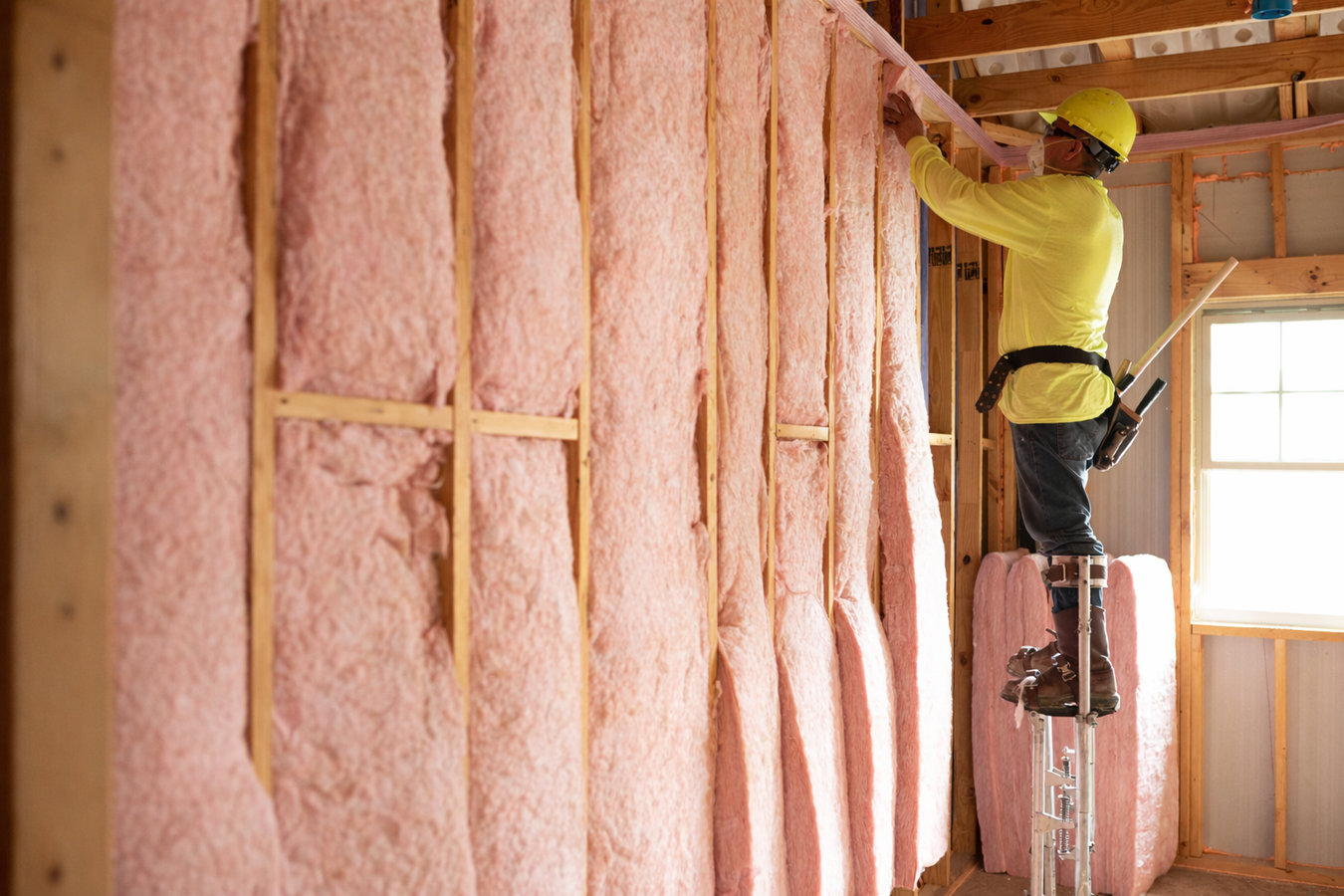
Your home is losing heat through the ceiling, walls, and floor every winter. Retrofit insulation fills those gaps without major renovation - lower bills, warmer rooms, and no cold drafts.
Retrofit insulation in Bismarck means adding insulation to a home that is already built - without tearing out walls or doing a major renovation - most jobs are completed in one day using blown-in material for attics or injected foam for wall cavities.
If your home was built before 1990, it was likely constructed when insulation requirements were far lower than they are today - or in some cases, barely insulated at all. Even if insulation was installed at the time, decades of settling, moisture, and compression mean it may now be doing a fraction of the work it once did. In Bismarck, where winters regularly push below -20 degrees Fahrenheit and the heating season stretches from October through April, that shortfall shows up directly on your natural gas bill every year.
Retrofit insulation works best when paired with attention to air sealing - filling the gaps that let cold air in is just as important as the insulating material itself. For homes where the crawl space also needs attention, combining retrofit work with a crawl space vapor barrier addresses both heat loss and moisture in one project. And when the scope grows to include the whole house, home insulation services cover every area from attic to foundation.
If your natural gas bill keeps rising each winter but your thermostat settings and usage patterns have stayed the same, heat loss through your ceiling, walls, or floor is a likely cause. In Bismarck's climate, even a modest gap in insulation coverage can translate to hundreds of dollars in extra heating costs over a full season. This is one of the most common reasons homeowners here call for an assessment.
When bedrooms at the end of a hallway, rooms above a garage, or spaces along exterior walls feel significantly colder than the rest of the house during Bismarck's deep winter months, it usually means insulation is thin or missing in those areas. You should not need extra blankets in one bedroom while the living room feels comfortable. Uneven temperatures are a reliable sign that your insulation has gaps.
When the temperature outside drops sharply - as it does regularly in Bismarck - and you notice moisture or frost forming on the inside surface of an exterior wall, cold is getting through with very little resistance. This happens when insulation is absent or has been compressed over time. Left unaddressed, it leads to moisture damage inside the wall cavity and potential mold growth.
Step into your attic on a hot July afternoon or a cold January morning. If the temperature feels extreme - far hotter or colder than the rest of your house - your attic insulation is not doing its job. A properly insulated attic buffers those temperature swings. In Bismarck, where both summer heat and winter cold are significant, a poorly insulated attic works against your comfort and your furnace year-round.
We start with a free in-home assessment - walking through your attic, checking accessible wall cavities, inspecting the basement rim joist area, and measuring what insulation is already there. You get a plain explanation of what we found and a written estimate before you commit to anything. For attic work, we use a blowing machine to fill the floor evenly to the depth your home needs for Bismarck winters, with ventilation baffles and electrical clearances handled correctly. Wall cavity work involves drilling small holes, injecting material, and patching - most homeowners are surprised by how tidy the finished result looks.
For homes where the rim joist needs attention, spray foam seals and insulates that zone in one step - closing the air pathway between your foundation wall and floor framing that lets in a disproportionate amount of cold air. When the project scope includes the entire house, we combine home insulation strategies with targeted retrofit work so every area gets addressed in the right order of priority. For older Bismarck homes with crawl spaces, crawl space vapor barrier work can be coordinated in the same visit.
Best for homes with accessible attic space - fast, effective, and the highest-impact improvement most Bismarck homes can make.
For homes with cold exterior walls - insulating material is injected through small holes and patched cleanly for minimal visual impact.
For the zone where floor framing meets foundation wall - one of the biggest sources of cold-air infiltration in older Bismarck homes.
For homeowners who want a complete picture - a full walk-through identifying every area where insulation is thin, missing, or degraded.
Bismarck sits in one of the coldest climate zones in the continental United States, and the Department of Energy recommends attic insulation depths here that are significantly higher than what most homes built before 1990 actually have. A large share of the housing stock in Bismarck was built during the mid-20th century - ranch-style and split-level homes that were constructed with little or no wall insulation and minimal attic coverage. The frost depth here reaches 42 to 48 inches in a typical winter, which means the rim joist area along your foundation is exposed to intense cold from below - a zone that is overlooked in many older homes. The U.S. Department of Energy publishes climate-zone-specific recommendations that make clear just how much more insulation Bismarck homes need compared to the national average.
For homeowners in Mandan and Lincoln - where many of the homes share the same mid-century construction era as Bismarck proper - the same insulation shortfall applies. Montana-Dakota Utilities serves much of this area, and their energy efficiency programs can help offset the cost of a retrofit project. Checking with your utility provider before scheduling is worth the call - rebates for qualifying work can meaningfully reduce what you pay out of pocket.
Call or submit online and we will follow up within one business day. We ask a few basic questions about your home's age and what concerns you - no commitment needed to set up a free estimate.
We walk through your attic, walls, basement, and crawl space with measuring tools. You leave knowing exactly what insulation depth you have, what you need for this climate, and what it will cost to close the gap.
For most attic jobs, the blowing machine is set up outside and the crew runs a hose into the attic. The work is finished in a few hours. Wall cavity work takes longer but involves small holes that are patched clean.
Before the crew leaves, we walk you through what was done - showing you insulation depth, confirming ventilation baffles are clear, and answering any questions. No curing time - your home is fully insulated immediately.
No pressure, no obligation - just a clear picture of what your home needs and what it will cost. We respond within one business day.
(701) 299-5341Bismarck sits in one of the coldest climate zones in the continental United States. We spec every project to the insulation depths the Department of Energy recommends for this zone - not a national average that undershoots what North Dakota winters actually demand.
A large share of Bismarck's homes were built between the 1950s and 1980s. We understand the construction patterns of that era - thin or missing wall insulation, undersized attic coverage, and rim joists that were never addressed. We know where to look and what to do about it.
Montana-Dakota Utilities serves much of the Bismarck area and has offered energy efficiency rebate programs for residential customers. We are familiar with those programs and can help you understand what your project may qualify for before work begins - reducing your out-of-pocket cost.
The Building Performance Institute sets the industry standard for how insulation, air sealing, and ventilation interact in a home. We follow those standards on every project because cutting corners in one area undermines the work done in another. See the standard at bpi.org.
Every retrofit project we complete in Bismarck is grounded in the specific demands of this climate - not a generic checklist built for milder conditions. The combination of local housing knowledge, climate-zone-appropriate standards, and familiarity with local incentive programs means you get work done right and advice you can actually use.
Upgrade insulation in commercial buildings and offices to cut energy costs and meet North Dakota code requirements.
Learn more →Whole-home insulation services that assess and upgrade every area from attic to foundation for complete thermal performance.
Learn more →Every Bismarck winter costs more when your insulation is thin. Call now or request an estimate online and we will get back to you within one business day.