
Loading…
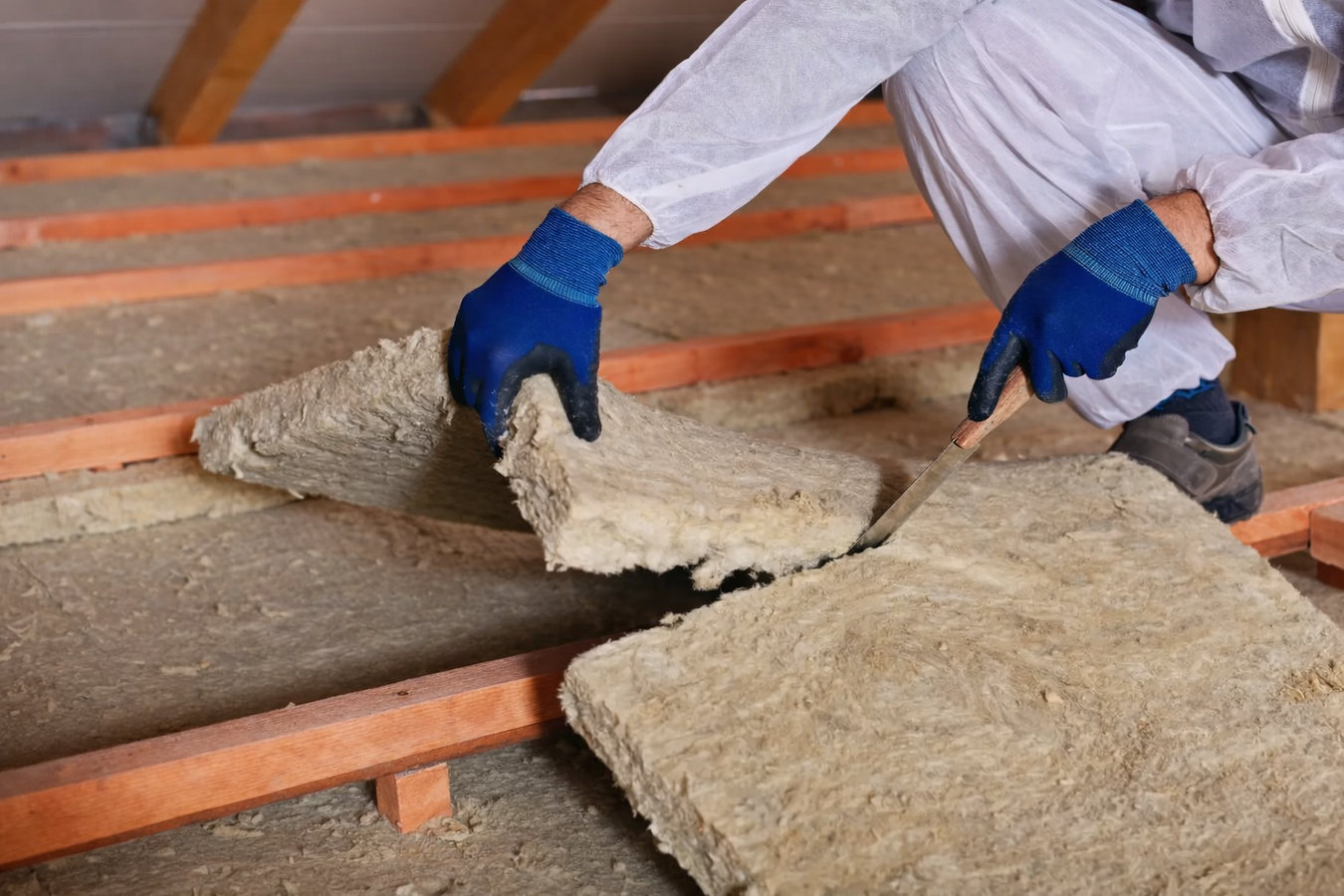
Old, wet, or pest-damaged insulation cannot protect your home from a Bismarck winter. We remove what is no longer working, inspect the space, and leave it ready for insulation that actually does its job.
Insulation removal in Bismarck means clearing out old, damaged, or contaminated material from your attic, crawl space, or walls using industrial vacuums and hand tools - most single-family attic jobs are finished in one day, and you do not need to leave the house while the crew works.
Bismarck homeowners most often call for removal after discovering ice dam water damage, rodent nesting in the attic, or insulation that has simply aged past the point of usefulness. Homes built in the 1950s through 1970s - a large share of Bismarck's housing stock - were often insulated with materials that have since settled, compressed, or in some cases been found to contain hazardous substances. If your home is in that age range and the insulation has never been replaced, it is worth having someone take a look before another North Dakota winter puts the heating system to the test.
Removal is almost always followed by a fresh installation. Once the space is clear and inspected, we connect homeowners with the right crawl space insulation or attic insulation option for their specific home and climate needs.
If your gas or electric bill keeps rising and you have not changed your thermostat habits, your insulation may have lost its effectiveness. In Bismarck, where furnaces run hard from October through April, even a modest drop in insulation performance shows up on your utility bill quickly. This is one of the most common ways homeowners discover they have an attic problem.
Ice dams - the thick ridges of ice along your roofline after a snowfall - mean heat is escaping through your attic and melting snow unevenly. That heat almost always points to insulation that is too thin, damaged, or missing in spots. When meltwater backs up and seeps into the attic, the insulation below gets soaked and needs to come out.
If you have found droppings, nesting material, or heard movement above the ceiling, your insulation has likely been damaged. Rodents burrow into insulation to nest and contaminate it in ways that make it unsafe to leave in place. Removing the old material is the necessary first step before any pest control treatment can be fully effective.
Water stains on your ceiling near exterior walls or around light fixtures often mean moisture has gotten into your attic and soaked the insulation. A musty smell in upper rooms, especially after a wet Bismarck spring, points to the same problem. Wet insulation does not dry out on its own - it needs to come out.
We remove blown-in, batt, and rigid insulation from attics, crawl spaces, and wall cavities throughout the Bismarck area. Every job includes proper containment to keep dust out of your living space, and all material is bagged and hauled off your property to an approved disposal site. For homes where the removal reveals air gaps around pipes, framing, or fixtures, we pair the work with retrofit insulation planning so the space is sealed and ready for new material before anyone leaves the site.
For older Bismarck homes where the material has never been assessed, we walk through what is present, flag anything that requires special handling, and give you a straight answer about what the job involves before any work begins. After removal, most homeowners move directly into a new installation - often crawl space insulation or attic insulation - so the project can be completed with one contractor and one schedule rather than coordinating two separate crews.
Best for homeowners dealing with ice dam water damage, rodent contamination, or material that has degraded past the point of usefulness.
Suited for crawl spaces where old batts have sagged, gotten wet, or been disturbed by pests - clearing the way for a proper vapor barrier and fresh insulation.
For older homes where original wall insulation is damaged or contaminated and needs to come out before a new dense-pack installation goes in.
For homes built before 1985 where the insulation type is unknown - we assess what is present and arrange for testing before any removal work begins.
Bismarck regularly sees winter temperatures drop below -20 degrees F, and the city averages more than 180 days a year where temperatures fall below freezing. That kind of sustained cold puts enormous pressure on your home's insulation - material that might last 30 years in a milder climate can degrade faster here because it is working harder, longer. A significant portion of Bismarck's residential neighborhoods - particularly the older areas near downtown and the Capitol grounds - were built in the 1950s through 1970s, when insulation standards were far lower than they are today. Many of those homes have never had the attic insulation replaced, and some contain materials that are no longer considered safe. The EPA recommends testing before disturbing any insulation in a pre-1985 home where the material type is unknown.
Homeowners in Mandan and Lincoln face the same combination of older housing stock and extreme cold that drives removal needs in Bismarck proper. Bismarck's freeze-thaw cycles in late winter and early spring are a leading cause of ice dams and attic moisture - two of the most common reasons insulation ends up damaged beyond repair. Mice and other rodents are also a persistent issue as temperatures drop in the fall and animals seek warmth, making pest-contaminated insulation one of the most frequent removal calls we receive.
We ask a few quick questions - the age of your home, where the insulation is located, and what is prompting the call. We respond within one business day and can usually schedule an in-person estimate within a few days. There is no charge for the visit and no obligation.
We go into the space to see what is there - the type of material, how much is present, and whether there are any signs of moisture, pest damage, or hazardous substances. If anything requires testing before work begins, we tell you upfront. You receive a written estimate before we leave.
The crew stages an industrial vacuum outside or in your garage and runs a hose up to the attic. Blown-in material vacuums out quickly. Batt insulation involves more hand work. A typical single-family attic in Bismarck takes four to eight hours. Containment keeps dust out of your living space throughout.
Once the material is out, we walk the space and check for gaps around pipes, wiring, and framing. Air sealing those openings before new insulation goes in is often responsible for a significant share of heat loss. All bagged material is hauled off your property before the crew leaves.
Free estimate, no obligation. We respond within one business day and walk you through exactly what the job involves before any work begins.
(701) 299-5341We have been working in Bismarck and the surrounding region since 2024, handling removal jobs in homes of every age - from 1950s ranch houses near downtown to newer builds on the south side. That local experience means we know what to expect before we open the attic hatch.
Every removal job includes hauling all bagged material off your property to an approved disposal facility. Old insulation cannot go in your regular trash, and some materials require licensed disposal sites. We handle all of that so you are not left managing it yourself.
For homes built before 1985, we assess what is present and arrange for testing if there is any question about material safety before work begins. The EPA's guidelines on asbestos-containing insulation materials are something we take seriously on every older-home job in Bismarck.
We seal gaps around pipes, wiring, and framing before new insulation goes in - a step that many crews skip but that makes a significant difference in how well the new insulation performs. The Building Performance Institute recognizes air sealing as a critical part of any thorough insulation project.
Every removal job gets a thorough inspection before and after, so nothing gets missed and the space is genuinely ready for new insulation. That combination of local knowledge, proper disposal, and post-removal air sealing is what separates a job done right from one that just looks finished.
After clearing out damaged material, crawl space insulation gives you a fresh thermal layer under the home with proper vapor control.
Learn more →The logical next step after removal - retrofit insulation brings your home up to current standards without major structural changes.
Learn more →Bismarck appointment slots fill up fast in September and October - contact us now to lock in your removal date and get your home ready for a proper upgrade.